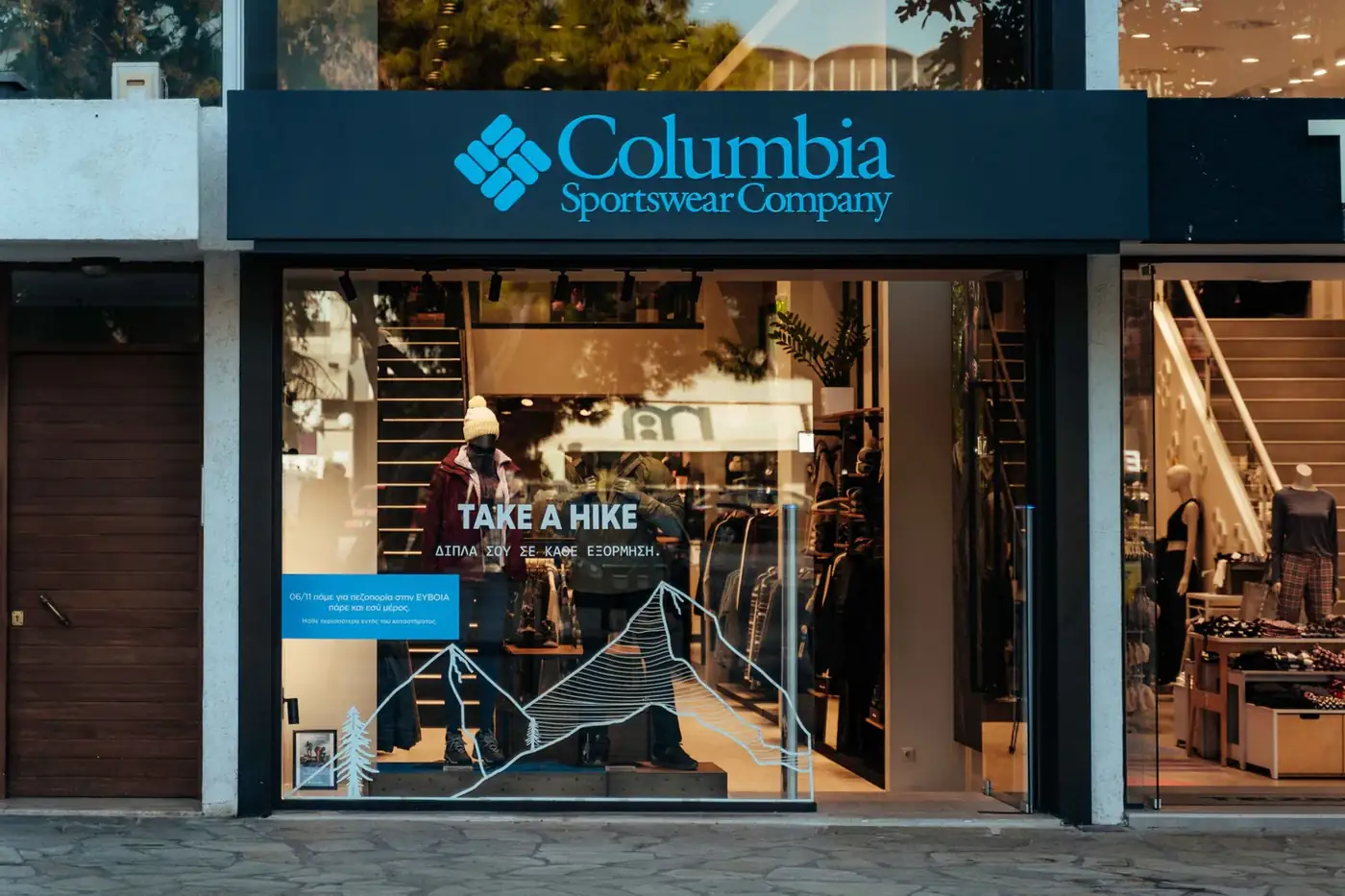
A physical store is not just a point of sale. It is the place where the brand takes on volume, texture and human contact. It is where the customer feels the fabric, tries on the shoe and asks someone who knows.
Often the visitor has already seen the product online. From the visit they expect something a screen cannot give them: to see it up close, try it and get some advice. If the store works only as a shelf and a till, you lose the most direct contact you have with them.
The details that shape the experience
The in-store experience is rarely decided by one big element. It is decided by many small choices that either work together or clash.
- Shop window: the first message, which must be readable within a few seconds from the pavement or the shopping centre aisle.
- Visual merchandising: how products are grouped, what the visitor sees first and where they stop.
- Signage: a little information, clearly presented, in the customer's language rather than the catalogue's.
- Staff: the store team knows what the campaign says and how to answer when someone asks.
- Seasonal activities: activations that give people a reason to come back and something to talk about.
If one of these says something different from the rest, the visitor notices, even if they cannot explain it. A window with an autumn campaign, when the shelves inside have not changed since summer, sends two opposite messages.
When the space changes role
The most interesting ideas in retail change the role of the space for a while. With Outdoor Art, THPAUL brought works by seventeen young artists to four Columbia stores in Attica, from 19 May to 10 June 2025. The artists took inspiration from products in the collection, such as a shoe, a jacket or a hat. The works then moved to Sianti Gallery. For that period, the retail space also worked as a cultural venue.
In We Paint Shoes, Not Eggs for New Balance, a large 3D shoe became a canvas for live painting by an established painter while the store was open. With purchases of children's footwear from €49, young customers received a smaller 3D version of the shoe as a gift, and each child painted their own.
In both cases, the activation wasn't decoration. It gave visitors something to see or do, directly tied to the brand and its products.
The same story inside and outside the store
The in-store experience delivers more when it doesn't stay shut away inside the store. You connect retail with content and digital communication, so that every point of contact carries on the same story.
- Before: social posts and a newsletter that announce the activation and give people a reason to come.
- During: photos and short videos from the space, with the consent of the people who appear in them.
- After: content that shows people who didn't come what happened, and keeps in touch with those who did.
The shop window, the shelf and the Instagram post are all parts of the same proposition.
A good starting point is to walk through your store as a visitor who doesn't know the brand. Note what you see first, what confuses you and where there is nothing to hold your attention. That list is the first brief for the work that follows.
