A retail activation should start from one specific need. You might want people to discover a new product, try it up close or find a reason to visit the store during a quieter period.
An idea has value when the store team can put it into practice. A concept that needs three extra people in a store that runs with two will stay on paper.
Start with the goal
Write the goal in one sentence, before any creative proposal. A few examples:
- Get people who have never bought the new product to try it.
- Link a seasonal moment, such as Easter, to a specific product category.
- Introduce the brand to a community that shares its values.
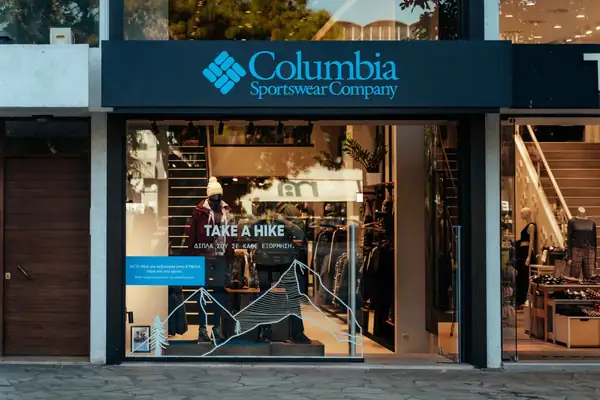
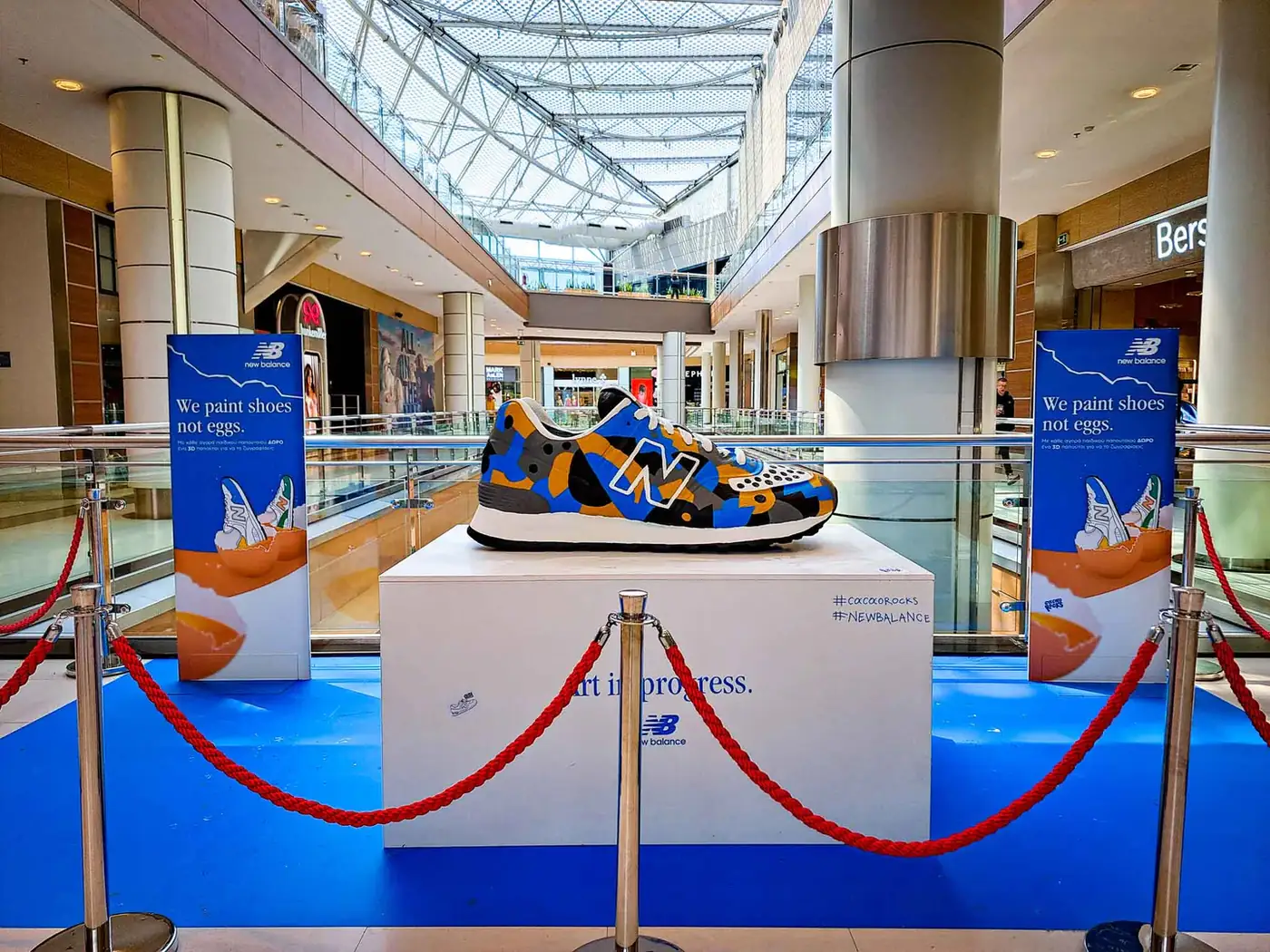
In We Paint Shoes, Not Eggs, THPAUL brought two occasions together in one idea for New Balance: Easter and World Art Day. In Take a Hike for Columbia, the question was how an outdoor brand actually gets people out into nature. The answer was a programme of hikes, together with route guides for Parnitha, Gerania and Olympus.
The operational plan
Before you approve the idea, check whether it fits the reality of the store.
- Time: the days and hours of the activation, in relation to footfall and opening hours.
- Space: where the activation is set up without blocking the flow of people, the till or the emergency exits.
- Signage: what visitors need to read to understand what is happening and how to take part.
- Audience: who will come, what ages they are and how much time they will have.
- People: who on the team is responsible, what briefing they need and who covers their usual tasks.
A short instruction sheet for staff, covering what is happening, what staff tell customers and what to do if something goes wrong, saves a lot of phone calls on the day of the activation.
If you can, set up the materials a day early and walk the space with the team. That is where you find out whether a stand blocks the aisle, whether the signage can be read from the entrance or whether a socket is missing.
Materials that carry the story on
On-site materials, such as window displays, stands, cards and gifts, should connect with social and digital content, so the story starts before the activation and continues after it.
In Take a Hike, the shop windows carried the slogan “By your side on every outing” and the “Join in” card presented the next hike, such as the Iros Trail route in Evia in partnership with the Athens Hiking Club. The same card explained the prize draw: a newsletter form that visitors dropped into the HIKE BOX. In this way, the in-store material led on to the next point of contact.
An in-store activation lasts a few days. The content that goes with it can last much longer.
What you measure and how
Evaluation isn't based on promises. You decide in advance what can be tracked and how it will be recorded.
Depending on the activation, this might be the number of participants, enquiries, newsletter sign-ups or uses of a code. Agree who records the data, at what point and with which tool, so the figures can be compared with the next activation.