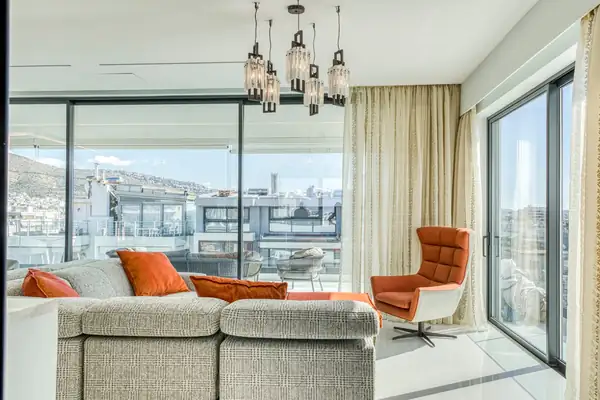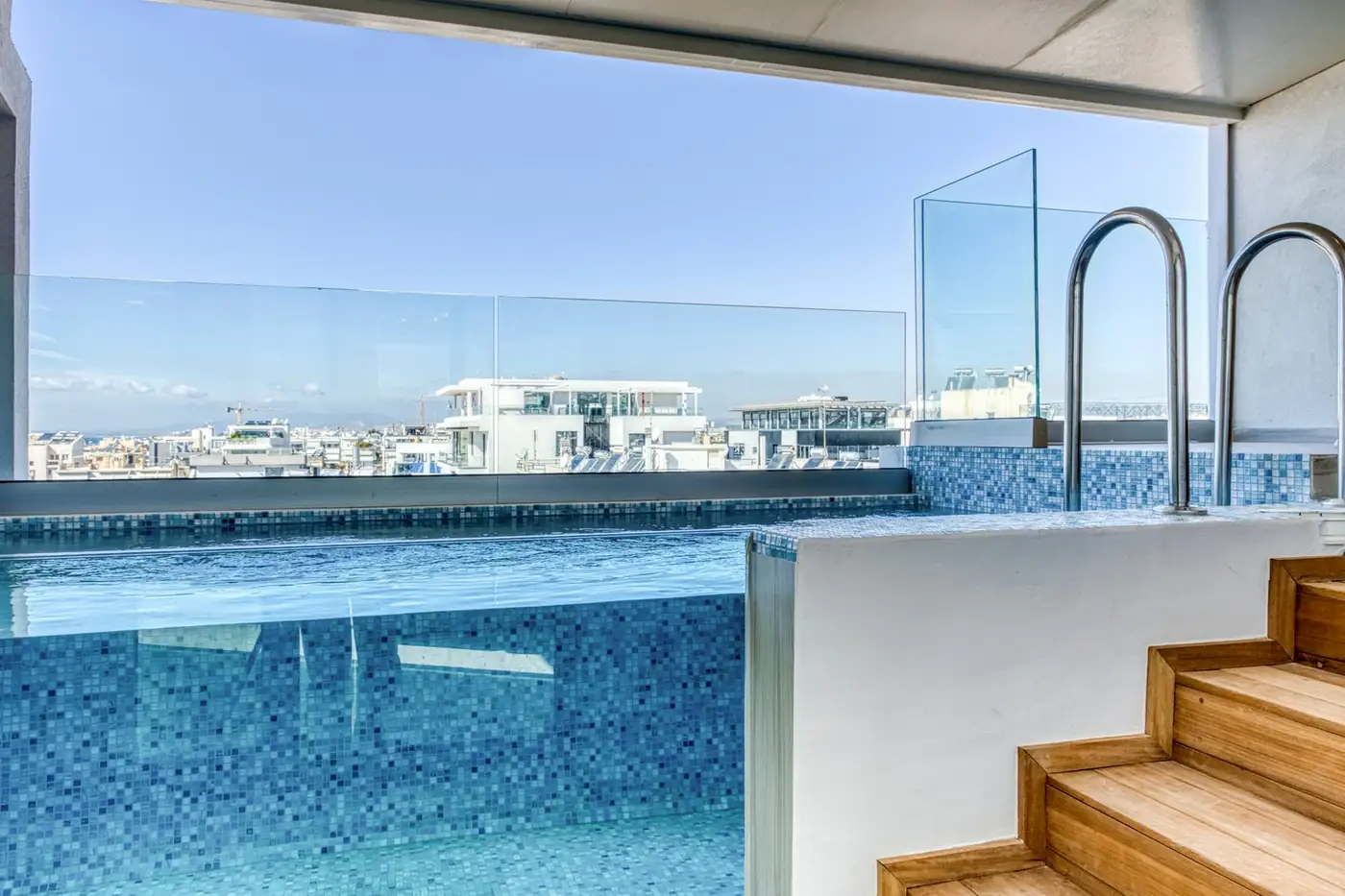
Drone property photography is worth it when something important for the decision can only be seen from above: where the property is, how big the plot is, what view it has and what is around it. For a mid-floor apartment in a densely built neighbourhood with no particular view, an aerial shot usually adds no information.
A drone is a tool, not an eye-catching extra for every listing. Before every flight, ask what someone interested in the property will learn from this shot that the other photos don't tell them. If the answer is “nothing”, the money is better spent elsewhere.
When an aerial property shot adds value
- Location: when the distance from the sea, a park, the town centre or a main road is part of the property's value. A shot from above shows the relationship at a glance.
- Plot: when you want to show its size and shape, the garden, the pool and how the house sits within it.
- View: when the view is the main asset, a shot at balcony height shows what someone will see from there.
- Surroundings: greenery, low-rise buildings, access, the things that define the neighbourhood.
- Large properties: detached houses, villas, hotels, rural plots and commercial spaces that don't fit into a single shot from the ground.
Views need care. A shot taken from much higher than the apartment's floor shows a view the occupant will never have. The image must match what someone sees from the property itself. The same goes for plot boundaries: if you want to mark them on the photo, they must be based on official data such as the topographic survey, not on an estimate.
Aerial shots are not all the same. A property production usually uses a few specific types:
- Context shot: the property within the neighbourhood, so you can see where it is.
- Top-down shot: the shape of the plot, the garden and the pool, as on a map.
- Floor-height shot: the view as someone sees it from the balcony or the roof terrace.
- Slow movement towards or around the building: for opening or closing a video.
Light matters from above too. Early in the morning or late in the afternoon, shadows are long and give buildings volume, while midday light is flatter. The choice depends on which way the property faces and what you want to show.
When you don't need it
- For a low or mid-floor apartment in a dense urban area, where the view from above is mostly rooftops.
- When the surroundings aren't an advantage and an aerial image would draw attention to them.
- When flying is not permitted or not safe at that particular location.
- When the weather doesn't help: strong wind, rain or hazy air.
- When the budget is better spent first on good interior photos or on video.
Aerial imagery complements the presentation rather than replacing it. Whoever is interested will live inside the home, and the interior is what they need to see first and best.
Safety, permits and privacy
Drone flights take place only where permitted, with the required permits and by an operator who knows the rules. Some areas have restrictions, for example near airports or sensitive facilities, and the rules change. If you are thinking of flying yourself or hiring someone for the job, check the current guidance from the competent civil aviation authority and ask the professional how they meet the requirements.
The neighbours' privacy matters just as much. The frame focuses on the property, not on other people's yards, balconies and windows. Faces and car number plates that are clearly visible are blurred in editing. If the flight takes place near houses, letting the neighbours know before the shoot prevents misunderstandings.
That is why at Akinita Media every aerial production starts with a feasibility check. It depends on the site, the weather conditions, safety, the required permits and flight restrictions. We propose a realistic plan once we have looked at the location.
How it fits with the rest of the material
In a listing, an aerial shot can be the lead photo for a detached house with a garden or for a plot of land. For an apartment, it belongs towards the end, along with the front of the building and the area. In a video, an aerial shot opens or closes the tour and sets the context of the location.
Before the flight, get the roof terrace, the yard and the pool ready the way you would a living room. From above you can see forgotten furniture, leftover materials, bins and anything that has piled up in a corner of the roof terrace.
It helps if the aerial shots are taken on the same day as the interior photography, in similar light, so the set looks consistent. At Akinita Media, drone is added to a photo or video production, indicatively from €50 + VAT according to the akinitamedia.gr price list, and includes an aerial shot plan, plus photography and video of the location and surroundings.
Frequently asked questions
Do you need a permit for drone property photography?+
Drone flights are subject to rules that depend on the area, the type of drone and the purpose of the flight. Check the current guidance from the competent civil aviation authority and ask the professional to explain how they comply with it. At Akinita Media, every aerial production starts with a feasibility check for the specific location.
Is an aerial shot worth it for an apartment?+
An aerial shot of an apartment is usually only worth it if the view or the location is the main selling point, for example on a top floor with an open horizon. For a mid-floor apartment in a dense area, an aerial view mostly shows rooftops. There, the budget goes further on interior photos or video.
Does an aerial property shot show the plot boundaries?+
An aerial shot shows what the plot looks like and how the house sits within it, not the legal boundaries. If you want to mark boundaries on the photo, rely on official data such as the topographic survey. A roughly drawn line can mislead anyone interested in the property.
What happens if the weather doesn't allow a flight?+
Strong wind, rain and poor visibility make a drone flight unsafe or the result poor. In that case the aerial shoot is usually moved to another day. It is a good idea to agree an alternative date from the start.