Marketing for hotels and other accommodation has a practical goal: for guests to find you on the platforms and, if they wish, to be able to book directly on your own website. The platforms bring you people who did not know you. Direct bookings give you the relationship with the guest, their details so you can reach them again, and more control over price and experience.
You do not have to choose between the two. You can work with both, and the aim is to find the right balance. Below you will find what the website needs, how to approach photography, how to speak to foreign guests and how to organise the year, with a checklist at the end.
Your own website and the platforms: how they work together
Guests often find a property on a platform and then search for its name on Google, to see more photos, the map, or whether there is something better on the website. At that moment your website has to be ready to keep them:
- A booking engine, meaning a booking system within the website, with real-time availability and payment in a few steps.
- A connection to a channel manager, so that availability updates on the website and the platforms at the same time and you avoid double bookings.
- One page for each room type, with photos, square metres, beds, view and amenities.
- Cancellation policy, check-in and check-out times, access and parking, written simply.
- A reason to book directly: a perk such as breakfast, late check-out or a transfer, depending on what you can offer.
Before you set different prices or offers on your website, check what your contracts with each platform and their current terms allow. A perk is often a simpler solution than a discount, because it adds value without changing the price.
Also look after your property's Google Business Profile, because that is where anyone searching for your name ends up. Ask your booking engine provider whether it can show your website's prices in Google hotel searches. The options and terms change, so check Google's current guidelines.
Photography and video: the first visit happens on screen
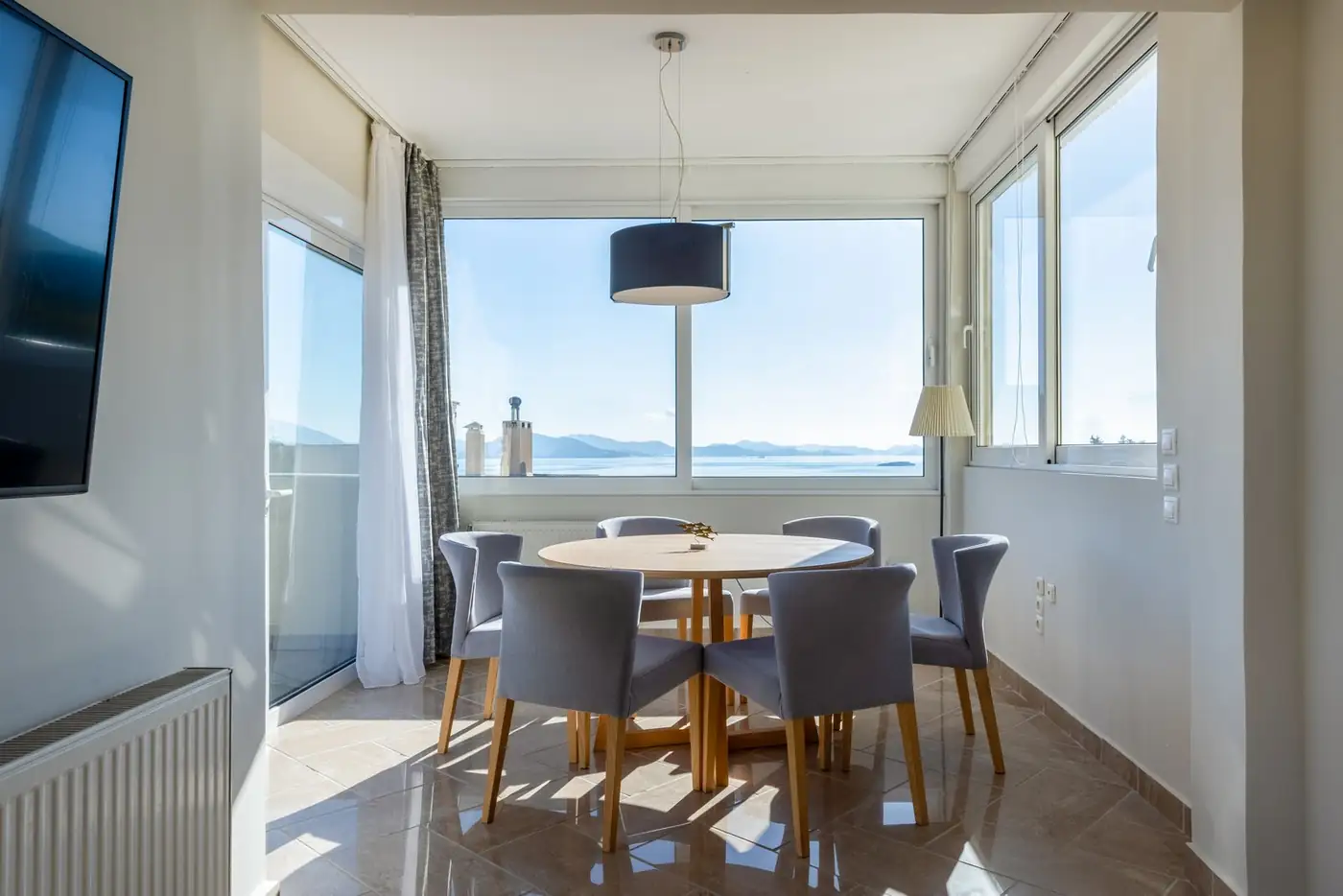
Guests cannot see the room before they arrive. They judge from the photos whether the space is clean, bright and as you describe it. A good set starts with the image that makes you stand out: the façade, the view, the pool or the courtyard. Then it shows each room type in the same order, the bathroom, the shared areas, breakfast and the surrounding area.
Video complements photography. A short walkthrough shows how the spaces connect, while vertical videos for Reels show the experience: breakfast on the terrace, the path to the sea, the afternoon light. Aerial drone shots help when the location is your strong point, where flights are permitted and with the necessary permits.
One rule applies everywhere: the photos show what guests will find. An image that promises more than is there comes back as a negative review. For a shot list for each space, see our guide to Airbnb and Booking photos.
Foreign guests: a bilingual website and content
If a large share of your guests come from abroad, your website needs at least Greek and English, and perhaps one more language for the market most of them come from. Do not rely on machine translation alone. Write or check the copy with someone who knows the language well, because that is where guests judge how much care you take.
Each language needs its own pages, with the correct language markup (hreflang), so that Google shows the English version to people searching in English. Write about what a foreign visitor searches for: how to get there from the airport or the port, what is nearby, which season is worth visiting. Texts like these answer real searches and bring people to your own website. On Instagram and in emails, follow the same logic: content in your audience's language, with little text and plenty of images.
Seasons, reviews and returning guests
The year of an accommodation business has two cycles: the period when guests plan and the period when they travel. Summer holidays are often planned months in advance, so that is when you need fresh photos, an updated website and advertising. Look in your own data at how far ahead your guests book and start before that window. A city hotel works all year round, with occasions such as conferences, events and short breaks.
Reviews close the loop. Reply to all of them, on every platform and in the language they were written in, and fix whatever comes up repeatedly in the comments. After check-out, a polite message with a thank-you and an invitation to leave a review keeps the relationship alive. With the guest's consent, an email before the next season can bring them back directly.
Checklist for direct bookings:
- The website has a booking engine connected to a channel manager.
- Each room type has its own page and up-to-date photos.
- The website is available in Greek and English, with copy checked by a person.
- There is a clear perk for anyone who books directly.
- Every review gets a reply, on every platform.
- You measure how many bookings come from the website and from which source.
At Akinita Media, THPAUL's property media service, we photograph hotels, rooms and short-term rental properties, with video, Reels and drone footage where permitted. The same team builds websites and runs advertising on Google and Meta, working in Greek and English, so that photos, website and campaigns tell the same story.
Frequently asked questions
How do I increase direct bookings at my hotel?+
Start with a website that loads quickly, has a booking engine and clearly shows rooms, prices and the cancellation policy. Give guests a reason to book directly, such as a perk, and look after your Google profile, which is where guests search for your name. With their consent, keep in touch with people who have already stayed with you.
Do I need my own website if I am already on Booking and Airbnb?+
Yes, you need your own website if you want direct bookings and a relationship with your guests. The platforms bring you a new audience, but your visibility and the rules depend on them. Your website is the channel you control.
Which languages should an accommodation website be in?+
An accommodation website should be in Greek and English as a base. If many guests come from a particular country, add its language, with copy written or checked by a person. Each language needs its own pages, so that it appears correctly on Google.
When should marketing start for seasonal accommodation?+
Marketing for seasonal accommodation should start several months before you open, because that is when guests plan. Look in your data at how far ahead most guests book, and prepare photos, the website and advertising before that window. During the season, the focus shifts to the guest experience and reviews.